Slip disc treatment without surgery works for most patients, through activity modification, physiotherapy, medication, and time, as the body often reabsorbs the herniated disc material and the inflammation settles on its own. Surgery becomes necessary mainly when specific warning signs appear, such as worsening weakness, loss of bladder/bowel control, or pain that hasn’t responded to a reasonable trial of conservative treatment.
Can a Slip Disc Heal Without Surgery?
Yes, for the majority of patients. A slipped (herniated) disc doesn’t automatically mean an operation is coming. Over weeks to months, the body can often shrink or partially reabsorb the herniated portion of the disc, and the inflammation irritating the nearby nerve settles down on its own. That’s why most neurosurgeons, including Dr. Saud Ahmed, start with non-surgical treatment for the great majority of slip disc cases and reserve surgery for the situations where it’s genuinely needed.
If you’re not sure whether what you’re feeling counts as a slip disc, sciatica, or both, our explainer on sciatica vs. slip disc untangles the terminology first.
What Does Slip Disc Treatment Without Surgery Actually Involve?
It isn’t just “wait and see.” It’s an active plan, usually built from several of these pieces working together:
| Step | What It Typically Involves |
|---|---|
| Activity modification | Staying reasonably active rather than resting in bed, while avoiding heavy lifting, prolonged bending, or twisting |
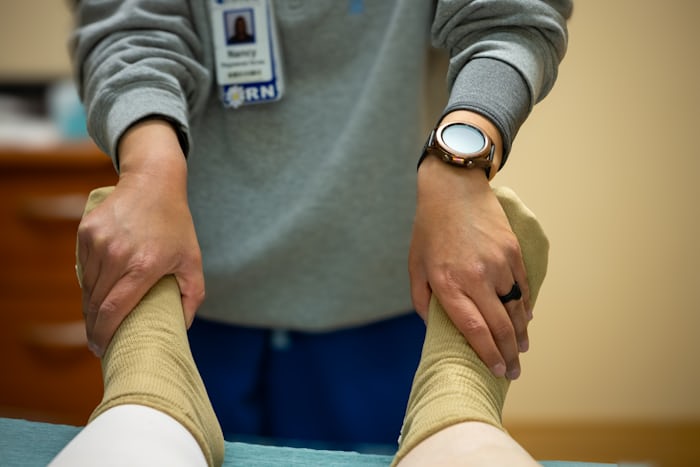
| Physiotherapy | Gentle stretching, core-strengthening exercises, and posture correction, tailored to your specific pattern of pain |
| Medication | Anti-inflammatories, muscle relaxants, or nerve-pain medication, prescribed and monitored by your doctor |
| Epidural steroid injections | A steroid injection around the affected nerve root, used for persistent nerve pain that hasn’t settled with the steps above |
A couple of points are worth spelling out. Older advice leaned heavily on strict bed rest; current practice favors staying active within reasonable limits, since prolonged inactivity can actually slow recovery and weaken the muscles that support the spine. And medication isn’t curing the disc itself, it’s managing symptoms while the underlying healing process runs its course.
Beyond the table above, simple measures also add up: heat or cold application, and correcting posture during sitting, standing, and sleeping, can meaningfully ease day-to-day discomfort. This matters especially for people whose work involves long hours of sitting or driving, common in Faisalabad among office workers, drivers, and tailors. Where relevant, gradual weight management and ergonomic changes (proper chair support, correct lifting technique, avoiding twisting while lifting) reduce ongoing strain on the spine and support recovery too.
How Long Does Non-Surgical Treatment Take to Work?
There’s no fixed timeline that applies to everyone, and it wouldn’t be honest to pretend otherwise. Many patients notice gradual improvement over several weeks of consistent treatment, though full recovery can sometimes take longer. Your neurosurgeon or physiotherapist can give you a more realistic expectation based on your specific scan findings, symptoms, and how you respond to initial treatment. This isn’t something to estimate from general information alone.
When Is Surgery Actually Needed?
This is the question most patients really want answered. Surgery for a slip disc is generally considered when one or more of these apply:
- Cauda equina syndrome. Loss of bladder or bowel control, or numbness in the groin or inner thigh area. This is a surgical emergency and needs immediate care, not a scheduled consultation.
- Progressive or significant weakness in the leg or foot, for example a foot that drags or “drops” while walking, which can indicate ongoing nerve damage.
- No real improvement after a reasonable trial of conservative treatment, typically several weeks to a couple of months of consistent physiotherapy, medication, and activity modification. Your neurosurgeon judges this against your individual progress, not a fixed calendar date.
- Severe pain that persists despite treatment and significantly limits your ability to work, sleep, or function day to day.
- Recurrent disc herniation at the same level after previous treatment.
If none of these apply to you, take that as genuinely reassuring. It means your case is likely one of the many that responds well to non-surgical care.
What Types of Surgery Are Used for a Slip Disc?
When surgery is needed, the goal is usually to relieve pressure on the affected nerve. Common approaches include:
- Microdiscectomy. Removal of the specific portion of disc material pressing on the nerve, performed through a small incision using magnification. It’s a well-established, commonly performed procedure for this problem.
- Minimally invasive techniques, where available and appropriate, which can mean smaller incisions and potentially faster initial recovery compared to older, more extensive open approaches.
The specific procedure recommended depends on your imaging, the exact location and size of the herniation, and your overall health. This is a decision made individually with your neurosurgeon, not a one-size-fits-all choice.
What Happens If a Slip Disc Is Left Untreated?
For most people, an untreated slip disc that isn’t causing severe symptoms tends to improve over time with the conservative measures described above. But in cases with significant, ongoing nerve compression, ignoring worsening symptoms, particularly progressive weakness or the emergency red flags listed earlier, can risk lasting nerve damage. New or worsening symptoms are worth having properly evaluated rather than assuming they’ll resolve on their own indefinitely, especially if any weakness is involved.
Is Slip Disc Surgery Risky? What About Recovery?
As with any surgery, there are risks to discuss with your neurosurgeon, including the general risks of anesthesia and, specific to spine surgery, factors like infection or incomplete relief of symptoms. Recovery timelines vary by procedure and individual, but many patients are encouraged to gradually resume light activity within days to weeks, with a structured return to normal activity guided by their surgeon and physiotherapist. Your neurosurgeon can walk you through what recovery is realistically likely to look like for your specific procedure.
How Do You Decide Between Surgery and Non-Surgical Treatment?
In practice, this isn’t a decision patients make alone from general information. It’s a conversation with your neurosurgeon that weighs your specific symptoms, how long you’ve had them, what’s shown on your MRI, how you’ve responded to treatment so far, and how much the pain is affecting your daily life. For a broader look at the full range of slip disc treatment options, including how that decision-making process works, see our slip disc treatment page.
Urdu Summary (خلاصہ)
زیادہ تر سلپ ڈسک کے مریض بغیر آپریشن کے ٹھیک ہو جاتے ہیں، آرام (مکمل بیڈ ریسٹ نہیں)، فزیوتھراپی، دوائیوں، اور وقت کے ساتھ جسم خود بہتری لے آتا ہے۔ آپریشن اُس وقت ضروری ہوتا ہے جب ٹانگ میں کمزوری بڑھنے لگے، پیشاب یا پاخانے پر کنٹرول ختم ہو جائے، یا کئی ہفتوں کے علاج کے باوجود درد میں کوئی بہتری نہ آئے۔ اگر آپ کو یہ علامات محسوس ہوں تو فوری طور پر نیوروسرجن سے رابطہ کریں۔ ورنہ، زیادہ تر کیسز میں صبر اور مناسب علاج سے آپریشن کی ضرورت نہیں پڑتی۔
What the non-surgical route actually looks like locally
Deciding against surgery is not the same as doing nothing, and this is where the plan usually falls apart in practice. Physiotherapy works when it is done consistently for weeks. Most people in Faisalabad stop after two or three sessions because the sharpest pain has eased, and then return months later with the same problem and a worse opinion of physiotherapy.
If you are going to take the non-surgical route, agree three things with your doctor at the start, in writing if it helps:
- How many weeks the plan runs before it is reviewed
- Which specific activities you should avoid, and which you should keep doing, since complete bed rest usually makes recovery slower rather than faster
- Which symptoms mean you stop waiting and come back immediately
That last point matters most. New weakness in the leg or foot, numbness around the groin or inner thighs, or any loss of control over the bladder or bowels means urgent assessment the same day. Those are not reasons to finish the physiotherapy course first.
Frequently Asked QuestionsKya slip disc ka ilaj bina operation ke mumkin hai?
Yes. Most slip disc cases are treated successfully without surgery, using physiotherapy, activity modification, medication, and sometimes injections. Surgery is reserved for specific situations, such as progressive weakness or symptoms that don’t improve after a reasonable trial of conservative treatment.
How long should I try non-surgical treatment before considering surgery?
There’s no single fixed timeline. Many neurosurgeons consider several weeks to a couple of months of consistent conservative treatment reasonable before revisiting the surgical question, but this depends on your specific symptoms and progress. Your neurosurgeon can advise what’s appropriate for your case.
What are the warning signs that mean I need surgery urgently?
The most urgent warning signs are loss of bladder or bowel control, numbness around the groin or inner thighs, and rapidly worsening leg weakness or a dragging foot. These need immediate medical attention, not a routine appointment.
Does physiotherapy actually help with a slip disc?
Yes, physiotherapy is one of the most effective non-surgical treatments for many slip disc cases, particularly targeted core-strengthening and posture-correction exercises. Your physiotherapist and neurosurgeon can tailor a plan to your specific symptoms.
Is slip disc surgery a big, risky operation?
Modern slip disc surgery, such as microdiscectomy, is a well-established and commonly performed procedure, often done through a small incision. As with any surgery there are risks, which your neurosurgeon will explain specifically for your case before you decide.
Want this looked at? Dr. Saud Ahmed sees patients in Faisalabad, Gojra, and Sangla Hill. Book an appointment or call/WhatsApp 0313-8966559.