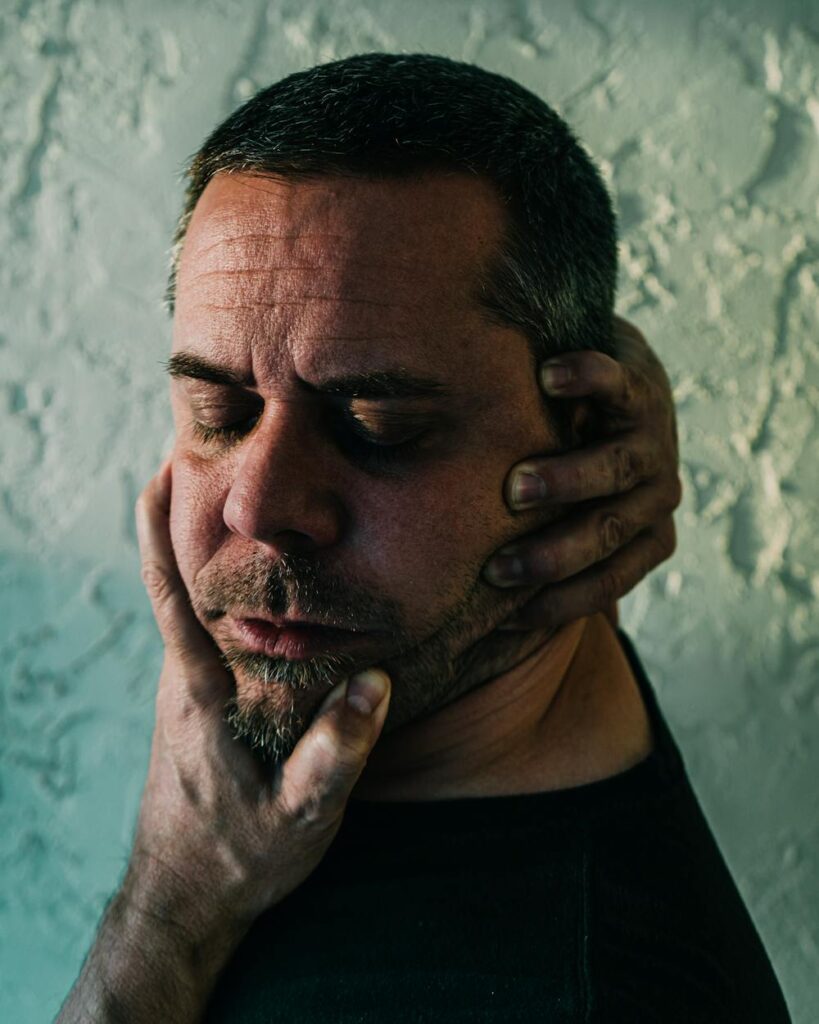
Trigeminal neuralgia is sudden, brief, electric-shock-like pain on one side of the face, often set off by ordinary things like chewing, talking, or a breeze on the skin. Doctors rank it among the most severe pain conditions in medicine, yet it responds well to treatment: medication first, then procedures or surgery if that’s not enough.
Why It Gets Mistaken for a Toothache First
Ask patients to describe trigeminal neuralgia and the words rarely change much: “like being stabbed with a hot needle,” “an electric shock through my jaw,” “a lightning bolt across my cheek.” The pain lands on the cheek, jaw, teeth, gums, or around the eye, depending on which branch of the trigeminal nerve is involved, and that overlap with tooth pain is exactly why so many patients end up in a dentist’s chair first. Some even have a perfectly healthy tooth removed before anyone identifies the real cause. If dental work hasn’t touched a sharp, shock-like facial pain, it’s worth raising trigeminal neuralgia with a neurosurgeon or neurologist.
What actually separates it from an ordinary toothache or sinus ache, both of which tend to sit as a dull, constant pressure, is the pattern. Attacks arrive suddenly, last from seconds to a couple of minutes, strike one side of the face only, and fire off in response to specific triggers such as light touch, chewing, brushing teeth, talking, or cold wind. Between attacks, most patients feel completely normal, which is part of what makes the first few weeks so confusing.
What Is Trigeminal Neuralgia, Formally
Trigeminal neuralgia (TN) is a chronic pain condition of the trigeminal nerve, the nerve responsible for sensation across the forehead, cheek, and jaw. Older medical texts call it “tic douloureux.” Patients who have lived through it often rank it among the worst pain of their lives, not because any single jolt lasts long, but because of how often it recurs and how little warning it gives before it does.
What Causes Trigeminal Neuralgia? (Chehre Ke Shadeed Dard Ki Wajah)
The usual culprit is vascular compression: a small blood vessel resting against the trigeminal nerve close to the brainstem, gradually wearing down the nerve’s protective sheath until it starts misfiring pain signals in response to stimuli that shouldn’t hurt at all, a light touch, a puff of cold air.
Less common causes include:
- Multiple sclerosis (MS), which can damage the nerve’s protective covering
- A tumor pressing on the nerve (uncommon, but one reason imaging matters)
- No identifiable cause at all, even after a full work-up
The same vascular-compression mechanism shows up in a different facial nerve disorder too: hemifacial spasm causes involuntary twitching rather than pain, but it is diagnosed and treated along a very similar path.
The condition becomes more common with age, though it does show up in younger adults too, particularly when it’s linked to MS.
Trigeminal Neuralgia vs. Other Causes of Face Pain
| Pain quality | How long it lasts | What sets it off | Other clues | |
|---|---|---|---|---|
| Trigeminal neuralgia | Sudden, electric-shock or stabbing | Seconds to a couple of minutes, in clusters | Touch, chewing, talking, cold air | Pain-free stretches between attacks |
| Dental pain (cavity/abscess) | Dull, throbbing ache | Constant, tends to worsen over days | Hot, cold, or sweet foods | Visible tooth or gum problem on exam or X-ray |
| Sinus pain | Dull pressure across cheeks and forehead | Hours to days | Bending forward, congestion | Usually comes with a cold or blocked nose |
| TMJ (jaw joint) disorder | Dull ache, sometimes clicking | Comes and goes with jaw use | Wide chewing, yawning | Jaw clicking or locking |
| Migraine | Throbbing, often one-sided | Hours | Light, noise, certain foods | Nausea, light sensitivity |
When Facial Pain Needs Prompt Attention
If sudden, brief, shock-like facial pain is triggered by touch, chewing, or talking, and a dentist has already ruled out a dental cause, trigeminal neuralgia belongs on the list. It isn’t life-threatening, but it deserves a real diagnosis rather than another round of painkillers or dental work that was never going to fix it.
Get evaluated promptly if:
- The pain is severe enough to interfere with eating, speaking, or basic daily function
- You’re avoiding ordinary activities, brushing your teeth, eating on that side, stepping outside in the wind, because of triggered pain
- The pattern changes, or numbness appears alongside the pain (numbness isn’t typical of classic trigeminal neuralgia and should be checked, since it can point to a different cause)
For the broader list of symptoms that warrant a neurosurgical opinion, see warning signs you need to see a neurosurgeon.
Getting a Diagnosis
Diagnosis leans heavily on how you describe the pain, since its sudden, triggered, shock-like quality is fairly distinctive on its own. Your doctor will also run a neurological exam to check facial sensation and look for anything pointing toward another cause. An MRI of the brain is usually ordered next, both to check for a blood vessel compressing the nerve and to rule out MS or a mass.
Treatment: Where Most Patients Start
Medication is the first move for almost everyone. Oral anticonvulsants, the same drug class used for seizures, calm the overactive nerve signaling and work well for many patients, especially early on, though finding the right dose sometimes takes a few tries, and side effects like drowsiness or dizziness need to be weighed against pain control.
When medication stops working, or the side effects become hard to live with, the next options range from less invasive nerve-targeted procedures up to surgery. Which one fits depends on your age, health, MRI findings, and how you’ve responded so far, a conversation worth having directly with your neurosurgeon rather than deciding from general information alone.
For patients whose pain traces back to a vessel pressing on the nerve, and who want the cause addressed rather than managed indefinitely, microvascular decompression (MVD) is the surgical option of choice. Through a small opening at the back of the skull, the surgeon lifts the vessel clear of the nerve and tucks a soft cushion between them so the contact doesn’t return. It’s a bigger undertaking than an outpatient procedure, general anesthesia and a hospital stay are involved, but for the right candidate it can mean years without medication. Not everyone qualifies; that comes down to overall fitness for surgery and what the imaging shows. Two companion articles go deeper here: Botox vs. MVD surgery for facial nerve disorders compares MVD against the non-surgical route in detail, and Living with trigeminal neuralgia walks through the full path from daily medication to surgery.
Does It Come Back?
Trigeminal neuralgia tends to move in waves: painful stretches followed by pain-free ones that can run for months, especially early in the condition. Over years, episodes often become more frequent for some patients, or medication that worked well stops covering the pain as well as it did, which is usually when procedural or surgical options enter the conversation. No two patients follow quite the same timeline, so staying in touch with your neurosurgeon matters more than any general prediction ever could.
The Reassuring Part
Hearing that you have a condition nicknamed “the worst pain in the world” is frightening on its own. What tends to get lost in that description is that trigeminal neuralgia, however severe the pain, doesn’t shorten your life or damage your overall health, and there’s a working option at every stage: medication, minor procedures, or surgery. The mistake to avoid is toughing it out on painkillers that were never built for nerve pain. An early, accurate diagnosis is what actually opens up the choices.
Next step: read more about how trigeminal neuralgia is treated in Faisalabad.
Urdu Summary (خلاصہ)ٹرائی جیمینل نیورالجیا میں چہرے کے ایک طرف اچانک اور بجلی کے جھٹکے جیسا شدید درد اٹھتا ہے، جو اکثر چبانے، بات کرنے یا ٹھنڈی ہوا لگنے سے شروع ہو جاتا ہے۔ زیادہ تر معاملات میں اس کی وجہ ایک خون کی رگ کا چہرے کی نس پر دباؤ ہوتا ہے۔ علاج کا پہلا قدم دوائی ہے اور بیشتر مریضوں کا درد اسی سے کافی حد تک قابو میں آ جاتا ہے۔ اگر دوائی کا اثر کم ہونے لگے تو مائیکرو ویسکولر ڈی کمپریشن (MVD) سرجری ایک مؤثر اور دیرپا حل ثابت ہو سکتی ہے۔ یہ تکلیف جان لیوا نہیں مگر روزمرہ زندگی پر گہرا اثر ڈال سکتی ہے، اس لیے بروقت نیورو سرجن سے رجوع کریں۔
Frequently Asked Questions
What does trigeminal neuralgia pain feel like?
Most patients describe a sudden, sharp jolt, like an electric shock or a stab, on one side of the face, lasting anywhere from a few seconds to a couple of minutes. It’s usually set off by touch, chewing, talking, or cold air, and it feels nothing like a dull, constant ache.
Kya mun ka shadeed dard trigeminal neuralgia ho sakta hai?
It can be. Sudden, brief, shock-like facial pain triggered by chewing, talking, or touch, rather than a constant dull ache, is a classic trigeminal neuralgia pattern. If a dentist has already ruled out a dental cause, it’s worth getting assessed by a neurosurgeon.
Is trigeminal neuralgia curable?
Many patients get good, lasting pain control with medication alone, and some achieve durable relief through procedures like microvascular decompression, particularly when the cause is vascular compression. Outcomes still vary from person to person, so your neurosurgeon can give you a realistic picture based on your own MRI findings.
Can trigeminal neuralgia be mistaken for a toothache?
Yes, and often is. Plenty of patients see a dentist first, and some go through unnecessary dental work before the real cause turns up. If shock-like facial pain persists despite normal dental findings, that’s the moment to bring up trigeminal neuralgia with your doctor.
Do I need surgery for trigeminal neuralgia?
Not necessarily. Most patients start with medication, and it works well for a large share of them, especially early on. Surgery or procedures tend to come into the picture when medication stops working or its side effects become hard to tolerate, a decision your neurosurgeon can help you make based on how you’ve actually responded.
Want this looked at? Dr. Saud Ahmed sees patients in Faisalabad, Gojra, and Sangla Hill. Book an appointment or call/WhatsApp 0313-8966559.