Most strokes do not need surgery. The large majority are ischaemic, caused by a blocked artery, and are treated urgently with medicines by physicians and neurologists. Stroke surgery becomes relevant in a specific minority: bleeding inside the brain, dangerous swelling after a large stroke, and certain vascular causes.
Before Anything Else: Stroke Is a Time Emergency
If you are reading this because something is happening to a person right now, stop reading and get them to a hospital.
The single most useful thing to remember is FAST:
- F, Face. Ask them to smile. Is one side of the mouth drooping?
- A, Arms. Ask them to raise both arms. Does one drift down or fail to lift?
- S, Speech. Ask them to repeat a simple sentence. Is it slurred, jumbled, or absent?
- T, Time. If any of these is present, the time to go is now.
Also treat as emergencies: sudden numbness or weakness on one side of the body, sudden loss of vision in one eye or half the visual field, sudden severe unsteadiness or inability to walk, and a sudden explosive headache with vomiting or drowsiness.
The reason for the urgency is simple and physical. Brain tissue starved of blood dies quickly, and the treatments that can reverse an ischaemic stroke work only inside a narrow window of a few hours from the moment symptoms started. That window is the reason families are told not to wait for the morning, not to first try a home remedy, and not to drive across the city to a preferred hospital when a closer one has a CT scanner. Note the exact time the symptoms began, because the emergency team will ask, and the answer determines what treatment is still possible.
Most Strokes Are Not Treated With Surgery, and That Is Important to Say
In Pakistan, falij is often assumed to be a surgical problem, and families sometimes go looking for a dimag ka doctor who operates when what the patient actually needs is fast medical treatment in a hospital with a scanner and an emergency team.
The commonest kind of stroke by a wide margin is ischaemic: a clot blocks an artery supplying part of the brain. The treatment for that is medical. Depending on how quickly the patient arrives and what the scan shows, it may involve clot-dissolving medication, or a catheter-based clot retrieval procedure in centres that offer it, followed by blood thinners, blood pressure and diabetes control, cholesterol treatment, and rehabilitation. Physicians, emergency doctors and neurologists lead that care. A neurosurgeon is not routinely part of it.
Saying this plainly matters more than winning a patient. A family that spends the first crucial hours looking for a surgeon for an ischaemic stroke loses the exact hours that would have made the difference.
When Is Stroke Surgery Genuinely Needed?
There is a real neurosurgical role in stroke, and it is specific rather than general. It usually arises in these situations.
Haemorrhagic stroke, meaning bleeding into the brain. Roughly speaking, one stroke in several is caused by a vessel bursting rather than blocking. Some of these bleeds are small and are managed medically with blood pressure control and close observation. Others are large, or sit in a location where the pressure they create threatens the rest of the brain, and surgical evacuation of the clot is considered.
Bleeding around the brain from a ruptured aneurysm. A subarachnoid haemorrhage is treated as a vascular emergency, and securing the aneurysm, by clipping or by an endovascular technique, is part of the treatment. The classic presentation is a sudden explosive headache rather than one-sided weakness.
Dangerous brain swelling after a large ischaemic stroke. A very large stroke can swell over the following day or two until the swelling itself, rather than the original stroke, becomes the threat to life. In selected patients, a decompressive operation to remove part of the skull temporarily gives the brain room and relieves that pressure.
Bleeding into the cerebellum or brainstem region, where even a modest clot can obstruct the flow of spinal fluid or compress vital structures. These are watched extremely closely and can move quickly from medical to surgical management.
Hydrocephalus after a bleed, where blood blocks the normal drainage of fluid inside the brain and a drain or shunt is required.
Underlying vascular abnormalities, such as an arteriovenous malformation (AVM) or aneurysm discovered as the cause of the bleed, which may need to be treated in their own right once the patient is stable.
Who Should You Actually See?
| Situation | Who leads the care |
|---|---|
| Sudden FAST symptoms right now | Emergency department, immediately |
| Confirmed ischaemic stroke, acute phase | Emergency and stroke physicians |
| Stroke recovery, prevention, medication, risk factors | Neurologist or physician |
| Bleed in the brain seen on CT | Neurosurgeon assesses alongside the medical team |
| Worsening drowsiness in the days after a large stroke | Neurosurgical assessment urgently |
| Aneurysm or AVM found as the cause of a bleed | Neurosurgeon |
| Rehabilitation, physiotherapy, speech therapy | Rehabilitation team, physiotherapist, speech therapist |
Most readers of this article belong in the top three rows. If you are unsure which specialist your situation calls for, our guide on choosing a neurologist or neurosurgeon in Faisalabad works through it symptom by symptom, and our list of warning signs that mean you should see a neurosurgeon sets out what genuinely needs a surgical opinion.
What Happens in Hospital
The first step is nearly always a CT scan of the head, because the single most important early question is whether this is a blockage or a bleed. The two look similar from the bedside and are treated in opposite ways, so nothing definitive can be given until the scan is seen. That is why the emergency department will not simply start a blood thinner on arrival.
From there the paths diverge. A blockage goes down the medical route described above. A bleed brings in blood pressure control, reversal of any blood thinners the patient takes, close neurological monitoring, and a judgement about whether surgery would help. That judgement depends on the size and site of the bleed, the patient’s conscious level and whether it is deteriorating, their age and general health, and whether an underlying cause such as an aneurysm or AVM is found.
Not every bleed is operated on. Surgery is offered when it is likely to change the outcome, and a careful surgeon will tell you honestly when it is not.
Getting Assessed in Faisalabad
For anything acute, go to the nearest hospital emergency department that has a CT scanner. Do not wait for a clinic appointment, and do not send scan images on WhatsApp and wait for a reply while someone is deteriorating.
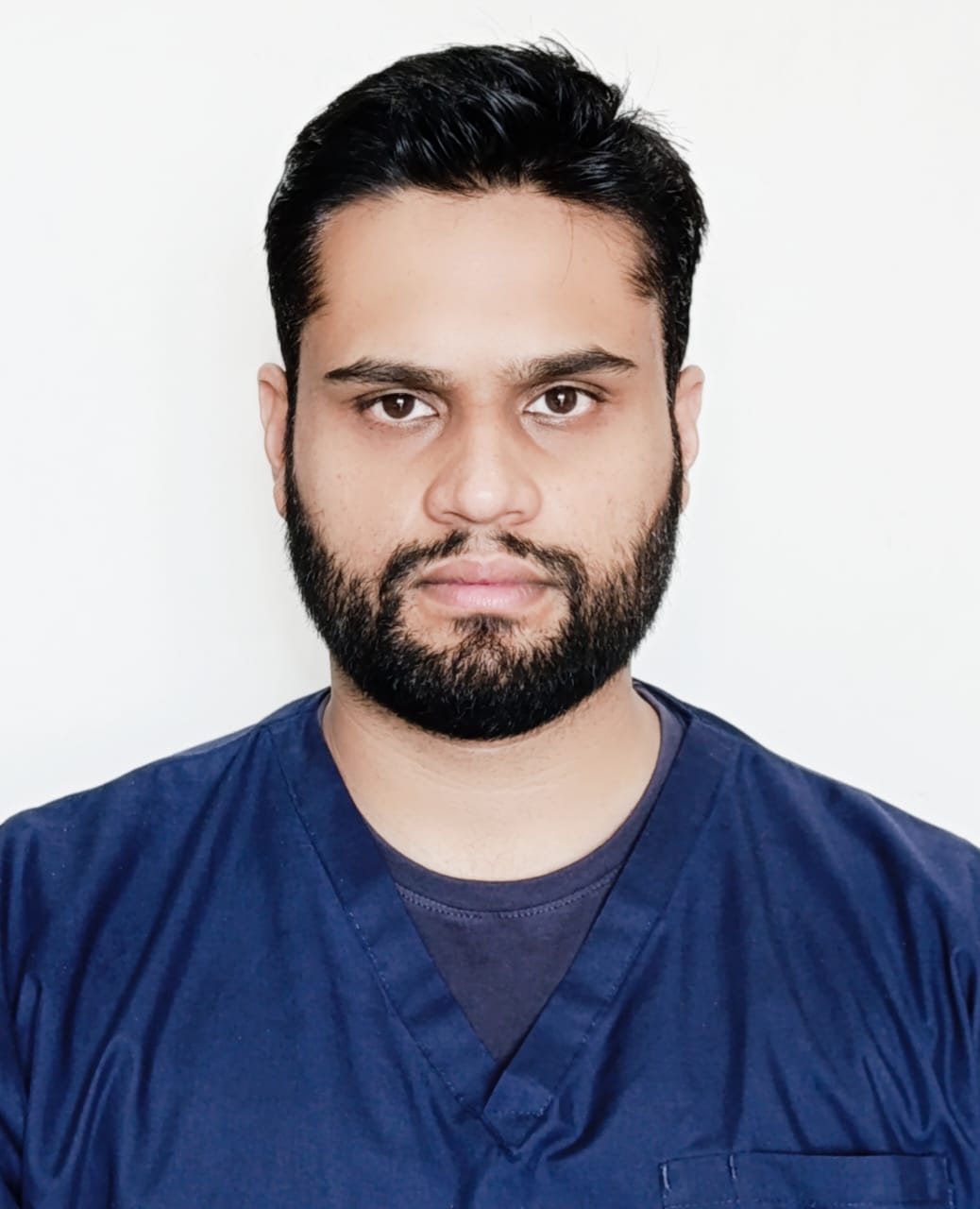
Once a patient is stable, or if a family has a CT report showing a bleed and wants a surgical opinion on what happens next, that is a reasonable consultation to book. Dr. Saud Ahmed, MBBS, FCPS (Neurosurgery), is a consultant neurosurgeon with over nine years of experience and more than 1,000 surgeries performed. He offers assessment for patients with brain haemorrhage and related surgical findings, and explains scan results in Urdu and English so the family can take part in the decision. Clinics: Aziz Fatima Hospital Faisalabad (Monday to Saturday, 1:40 to 2:30 pm), Siddique Hospital Faisalabad (Monday and Wednesday to Friday, 4 to 6 pm), Doctor Hospital Gojra on Tuesdays, and Sangla Hill by appointment. Consultation fee Rs. 1,500 at all locations. Call or WhatsApp 0313-8966559.
Urdu Summary (خلاصہ)
فالج کی زیادہ تر اقسام میں آپریشن کی ضرورت نہیں ہوتی۔ عام طور پر فالج نس بند ہونے سے ہوتا ہے اور اس کا علاج دواؤں سے کیا جاتا ہے، جس کے لیے فوری طور پر ہسپتال پہنچنا ضروری ہے کیونکہ علاج صرف چند گھنٹوں کے اندر مؤثر ہوتا ہے۔ اگر چہرہ ایک طرف ٹیڑھا ہو، بازو نہ اٹھے، یا بات کرنے میں دقت ہو تو فوراً ایمرجنسی جائیں اور وقت نوٹ کر لیں۔ سرجری صرف مخصوص صورتوں میں کی جاتی ہے، جیسے دماغ میں خون بہنا، خطرناک سوجن، یا نس کی خرابی۔ سی ٹی اسکین سے ہی معلوم ہوتا ہے کہ خون بند ہوا ہے یا بہہ رہا ہے۔
Frequently Asked Questions
Is stroke surgery the usual treatment for a stroke?
No. Most strokes are ischaemic and are treated with medication and urgent medical care, not with an operation. Surgery is reserved for a defined minority, mainly bleeding into the brain, dangerous swelling after a very large stroke, hydrocephalus following a bleed, and treatable vascular abnormalities such as aneurysms and AVMs.
Kya falij ka ilaj operation se hota hai?
Aam tor par nahi. Most cases of falij are managed with medicines, blood pressure and sugar control, and physiotherapy. An operation is considered only in specific situations, and only after a CT scan has shown what type of stroke it is. The first priority in every case is reaching a hospital fast.
How quickly do I need to reach hospital?
Immediately. The treatments that can reverse an ischaemic stroke work only within a few hours of symptom onset, and that window closes whether or not anyone is watching it. Note the time the symptoms started and tell the emergency team, because it directly determines which treatments remain available.
Should I see a neurologist or a neurosurgeon after a stroke?
For ongoing management, prevention and medication, a neurologist or physician is the right specialist. A neurosurgeon becomes relevant if a scan shows a bleed, if swelling is threatening, or if an aneurysm or vascular malformation is found. Many patients need both at different stages.
Can a stroke be prevented?
Risk can be reduced substantially. Controlling blood pressure is the single most important step, alongside stopping smoking, managing diabetes and cholesterol, staying physically active, and treating an irregular heartbeat if you have one. These are also the same measures that reduce the risk of a second stroke after a first one.
Want this looked at? Dr. Saud Ahmed sees patients in Faisalabad, Gojra, and Sangla Hill. Book an appointment or call/WhatsApp 0313-8966559.