A neurosurgeon is a surgical specialist who diagnoses and, when necessary, operates on conditions of the brain, spine, and nervous system, including tumors, slipped discs, head injuries, and nerve compression. This is different from a neurologist, who mainly diagnoses and manages nervous system conditions with medication rather than surgery. So what does a neurosurgeon actually treat, and where does a neurologist fit in? This article clears up exactly that.
Neurosurgeon vs. Neurologist: The Confusion, Explained Simply
Patients bring this mix-up to almost every brain, spine, or nerve clinic, and it’s an understandable one. Both specialists study the nervous system in depth; where they diverge is what they actually do with a diagnosis.
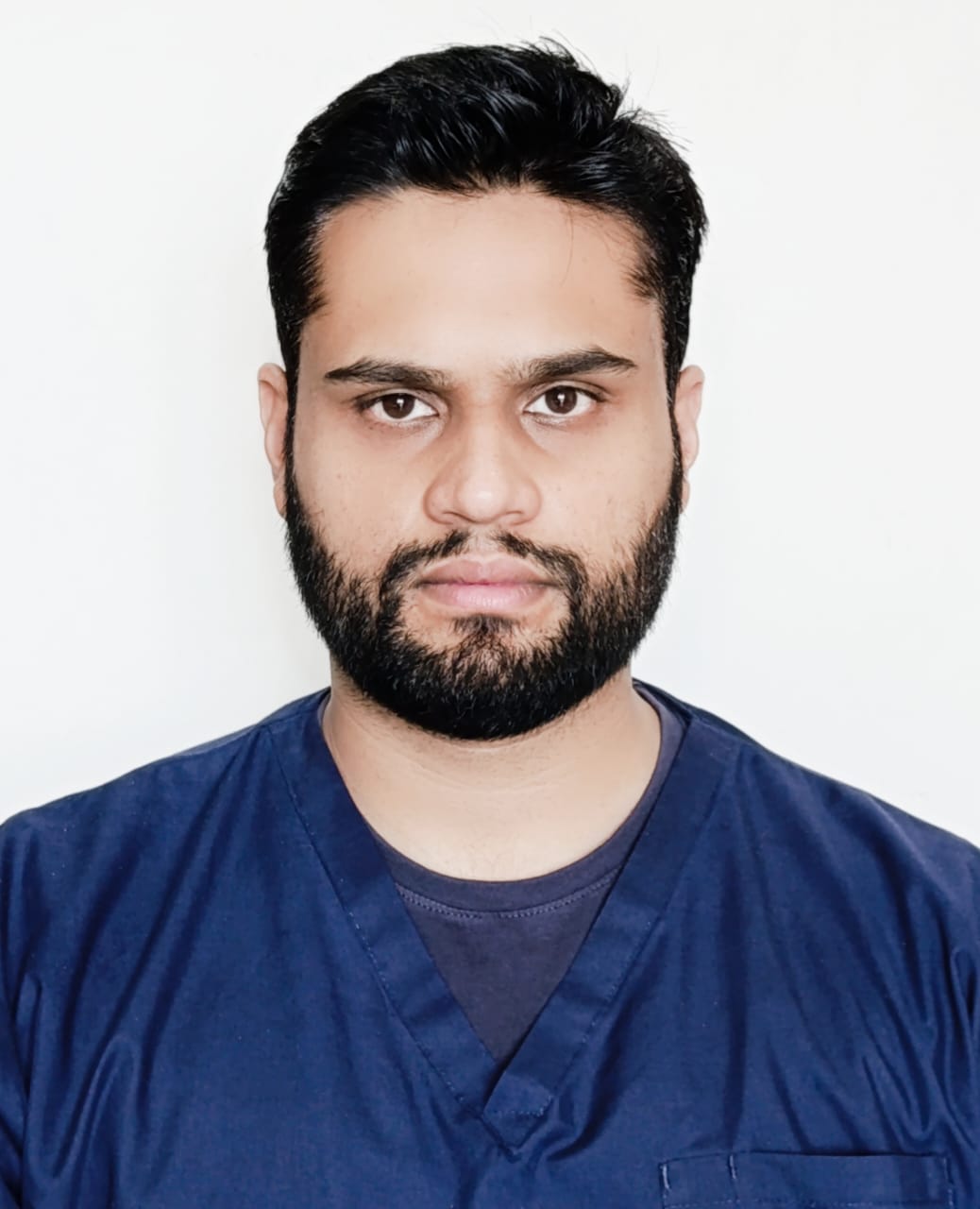
- A neurosurgeon (like Dr. Saud Ahmed, MBBS, FCPS Neurosurgery) is trained in surgery. Their role is to diagnose conditions that may need an operation, decide whether surgery is actually necessary, and, when it is, perform it on the brain, spine, or peripheral nerves.
- A neurologist is a physician trained to diagnose and manage nervous system conditions primarily through medication, lifestyle management, and non-surgical treatment. Neurologists do not perform surgery.
In practice, the two specialties often work together: a neurologist may manage a condition for years and only refer a patient to a neurosurgeon if surgery becomes relevant, and a neurosurgeon may refer a post-surgical patient back to a neurologist for ongoing medical management.
Quick Comparison: Who Should I See?
| Situation | See a Neurosurgeon | See a Neurologist |
|---|---|---|
| Slipped disc with leg pain not improving on medication/therapy | Yes | Usually starts here, refers if needed |
| Headaches with no red-flag symptoms | Not initially | Yes |
| Suspected brain tumor on a scan | Yes | May diagnose first, then refers |
| Epilepsy / seizure medication management | No | Yes |
| Head injury with worsening symptoms | Yes | Not primarily |
| Facial twitching (hemifacial spasm) | Yes (surgical options like MVD/Botox) | May also evaluate |
| Migraine management | No | Yes |
| Numbness/weakness from a pinched nerve not improving | Often, for surgical opinion | May start here |
Not sure which one applies to you? It’s completely reasonable to start with your general physician, or simply call a clinic and describe your symptoms. Reception staff or the doctor can usually point you in the right direction from there.
What Does a Neurosurgeon Actually Treat in the Brain?
Brain conditions a neurosurgeon evaluates and, when appropriate, operates on include:
- Brain tumors, both cancerous and non-cancerous, when they cause symptoms or need to be removed or biopsied. See our dedicated page on brain tumor surgery for more detail.
- Head injuries and trauma, including skull fractures, bleeding inside the skull, and injuries that need urgent surgical decompression.
- Hydrocephalus, a build-up of fluid inside the brain, often treated with a shunt (see our detailed article on VP shunts for hydrocephalus).
- Hemorrhagic stroke, bleeding in the brain that needs surgical evacuation. This is different from most ischemic strokes, which are usually managed medically.
- Congenital brain conditions in infants and children requiring surgical correction.
- Infections requiring surgical drainage, such as a brain abscess.
What Does a Neurosurgeon Treat in the Spine?
Spine problems are one of the most common reasons patients in Punjab see a neurosurgeon. This includes:
- Slip disc (herniated disc) and sciatica that doesn’t improve with conservative treatment. See our full guide on slip disc treatment.
- Spinal stenosis, narrowing of the spinal canal that compresses nerves.
- Spinal fractures or instability requiring fixation surgery, often after trauma.
- Spinal cord injury.
- Spinal tumors.
Most spine and back pain does not need surgery. A neurosurgeon’s job is often as much about deciding that surgery isn’t needed, and guiding conservative treatment instead, as it is about operating.
What Does a Neurosurgeon Treat in the Nerves?
Beyond the brain and spine, neurosurgeons also treat conditions of specific nerves, including:
- Trigeminal neuralgia, severe, shock-like facial pain.
- Hemifacial spasm, involuntary twitching of facial muscles.
- Nerve compression syndromes, where a nerve is being pinched or irritated along its path.
Treatment for these can range from medication and Botox injections to a surgical procedure called microvascular decompression (MVD), depending on the cause and how the patient responds to initial treatment.
When Should You See a Neurologist Instead?
Sending every patient to a surgeon isn’t good medicine, so it’s worth being upfront here too. You’re likely better served starting with a neurologist if you have:
- Headaches or migraines without red-flag symptoms. (See the red flags below. If none apply, a neurologist is usually the right first stop for diagnosis and medication management.)
- Epilepsy or seizures that need ongoing medication adjustment.
- Parkinson’s disease or other movement disorders.
- Multiple sclerosis or other conditions primarily managed with long-term medication.
- Most strokes, once the acute emergency phase is over and no surgery is needed. Ongoing stroke risk management is a neurologist’s or physician’s role.
- Peripheral neuropathy (numbness/tingling, often from causes like diabetes) needing medical work-up.
- Dizziness or vertigo without a structural surgical cause.
If a neurologist’s evaluation later shows that surgery could help, say a tumor is found, or a nerve turns out to be physically compressed, that’s exactly when a referral to a neurosurgeon comes in.
Symptoms That Usually Warrant a Neurosurgical Opinion
Some symptoms are worth a surgical opinion sooner rather than later, especially if they are new, severe, or getting worse:
- Sudden, severe “worst headache of your life”
- Headache with vomiting, vision changes, or new weakness/numbness
- Head injury followed by confusion, repeated vomiting, or worsening drowsiness
- Back or leg pain with numbness, weakness, or loss of bladder/bowel control
- Sudden facial weakness, slurred speech, or one-sided weakness (call emergency services immediately; this pattern can indicate stroke)
For a fuller list, see our earlier post on 10 warning signs you need to see a neurosurgeon. If any of these apply to you or a family member, don’t wait for a routine appointment. Seek urgent medical care.
What to Expect at Your First Neurosurgery Consultation
A first visit generally involves a detailed discussion of your symptoms and history, a physical and neurological examination, and a review of any scans (X-ray, CT, or MRI) you already have or that are recommended. Dr. Saud Ahmed explains findings and treatment options in both Urdu and English, so you and your family can ask questions comfortably and understand the plan before deciding on next steps. The consultation fee is Rs. 1,500 at all clinic locations.
Urdu Summary (خلاصہ)
نیوروسرجن ایک سرجیکل ماہر ہے جو دماغ، ریڑھ کی ہڈی، اور اعصاب (nerves) سے متعلق بیماریوں کی تشخیص کرتا ہے اور ضرورت پڑنے پر آپریشن بھی کرتا ہے، جیسے دماغی رسولی، کمر کی ڈسک، اور چہرے کے اعصاب کا مسئلہ۔ اس کے مقابلے میں نیورولوجسٹ عام طور پر دوائیوں کے ذریعے علاج کرتا ہے اور سرجری نہیں کرتا، مثلاً مرگی یا عام سر درد کے لیے پہلے نیورولوجسٹ سے رجوع کرنا مناسب ہوتا ہے۔ اگر شدید سر درد، بازو یا ٹانگ میں کمزوری، یا چہرے کا اچانک بے حس ہونا محسوس ہو تو فوری طور پر نیوروسرجن یا ایمرجنسی سے رابطہ کریں۔
Frequently Asked Questions
Is a neurosurgeon the same as a “brain doctor”?
A neurosurgeon treats the brain, but also the spine and peripheral nerves, so the term “brain doctor” undersells the full scope. If a person means a doctor who manages brain conditions mostly with medication rather than surgery, they likely mean a neurologist instead.
Kya har sar dard ke liye neurosurgeon dikhana zaroori hai?
No. Most headaches, including common migraines without red-flag symptoms, are best evaluated and managed by a neurologist or general physician first. A neurosurgeon becomes relevant only if imaging or symptoms suggest a structural problem that might need surgery.
Can a neurosurgeon treat epilepsy?
Epilepsy medication management is generally a neurologist’s role. A neurosurgeon becomes involved only in specific cases, such as when a structural cause (like a tumor) is found or when surgical treatment for seizures is being considered, decisions made jointly with a neurologist.
Do I need a referral to see a neurosurgeon?
Not necessarily. Many patients book a consultation directly, especially with clear symptoms like sciatica, a known slip disc, or a head injury. If you’re unsure, you can also come from a referral by your general physician or neurologist.
Does Dr. Saud Ahmed treat both brain and spine conditions?
Yes. As a consultant neurosurgeon, Dr. Saud Ahmed treats brain conditions (tumors, head injury, hydrocephalus), spine conditions (slip disc, sciatica, spinal fractures), and nerve conditions (trigeminal neuralgia, hemifacial spasm), across his clinics in Faisalabad, Gojra, and Sangla Hill.
Want this looked at? Dr. Saud Ahmed sees patients in Faisalabad, Gojra, and Sangla Hill. Book an appointment or call/WhatsApp 0313-8966559.